Posts

Showing posts with the label Overwinter

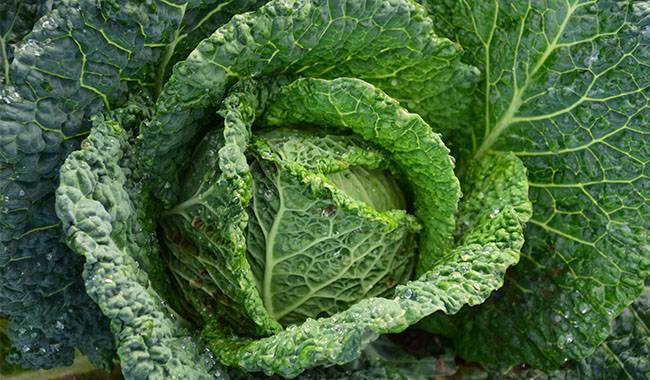
The 10 way about how to store cabbage until spring
Image
  The 10 way about how to store cabbage until spring As you know, cabbage , whether cabbage or red cabbage, is a vegetable that should put into storage in the fall and then used for most of the cold winter season. But not everyone can preserve cabbage crops for long periods of time. Why and which storage options for cabbage are considered to be the most successful ways to preserve them, we'll talk about it today. STORAGE CONDITIONS FOR CABBAGES First, let's talk about temperature and humidity - their non-compliance can lead to sad results. Cabbages should therefore be stored at a temperature of around 32°F (0°C), allowing only a few degrees of deviation in one direction. In this case, the humidity in the room can vary, but within a strictly defined range - from 85% to 95% (preferably no more and no less). Of course, such conditions can be created in specially designated storage areas, for example, in the cellar, in the basement of the house, or on the balcony. If the temperatu...

How to cover strawberry plants for the winter

Image
  How to cover strawberry plants for the winter Strawberry , or more appropriately called garden strawberry, is the most common berry crop. It competes only with honeysuckle, but not by region, but by the time of appearance of the first berries. It is these two crops, honeysuckle, and strawberry that first provide us with a rich source of vitamins, sometimes the most important and necessary. In this article we will try to tell you if you need to cover our favorite berries with the harsh frosts of winter, and if so, how to do it cover strawberry . DOES IT MAKE SENSE TO MULCH STRAWBERRIES? Gardeners often debate whether it is necessary to mulch strawberries and whether snow can be the best mulch for it. Sure, if you grow old varieties on plots year after year and live in the western United States, it's fine. But what about those who decide to buy new, larger-fruited strawberry cultivars and live in areas where winter frosts occur even at the beginning of October? Of course, in these ...

How to growing amaranth in containers at home

Image
  How to growing Amaranth in containers at home As many people know, Amaranthus is a universal plant, on the basis of which you can make tea, add to various dishes, cook porridge with grains and even make bread with Amaranthus flour. And if everything is clear with flour and grains, you can buy it in specialized stores, because it is not a perishable product, what about the fresh leaves. And in this case, everything is simple, you can grow Amaranthus not only in the garden or growing amaranth in containers but also on the windowsill of the apartment. This article has the answer for you. ABOUT AMARANTHUS Amaranthus is an annual plant that grows 80-120inch (2-3m) tall. It has a rather fleshy stem and leaves that come in red, purple, or solid green. The flowers can be gold, red or purple. Although Amaranthus is a weed, it can be grown not only to decorate a garden or plot but also for food. Amaranthus is a rather unpretentious plant. It does not require much attention or special care...

How to take cuttings from osteospermum

Image
How to take cuttings from osteospermum Osteospermum ( Blue Eyed Daisies or African Daisies) is a very popular family of plants in European gardens. In appearance, this flower is similar in form to the daisy, but unlike the daisy, it comes in a variety of vibrant shades - from soft pink to deep purple, and even orange. Americans are not yet familiar with this garden flower, but many have been able to appreciate its unpretentiousness and long, rich flowering period. So how to take cuttings from osteospermum ? Osteospermum is native to South Africa, the country from which this flower gets its second name. The flowers differ from American daisies not only in color but also in the type of petals and the height of the shrub. Some varieties of Osteospermum can grow up to 1 meter tall. In Europe, this plant appeared in the 10th century. Of the 70 species of flowers available, only seven are popular today. osteospermum varieties are divided into different species depending on their color. HOW ...