Posts

Showing posts with the label vegetables

How to Harvesting Vegetables And Store Them

Image
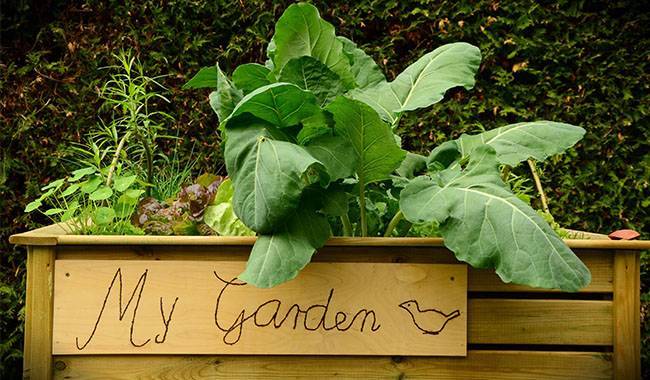
  How to Harvesting Vegetables And Store Them   In fall, it's great to see the actual results of your work, appreciate the harvest, and look forward to the upcoming winter feast. However, growing vegetables is one thing, but harvesting them and storing them at the right time is another. Each crop has its own maturity conditions, its own harvesting vegetables ​and storage preparation requirements, and its own storability conditions. Knowing them and using them skillfully - means really getting results. POTATOES Potatoes - Harvesting Vegetables One of the main crops grown in our gardens is potatoes. And there is no substitute for them at the dinner table. That's why it's important to store potatoes properly so that they last until spring. A. When and how to harvest potatoes Potatoes should be unset as soon as their stalks dry. If you delay harvesting, the tubers will begin to lose weight. Both a spade and a pitchfork can be used to pull potatoes out of the ground. The latt...
Carrot Nutrition Facts: Pros And Cons

Image
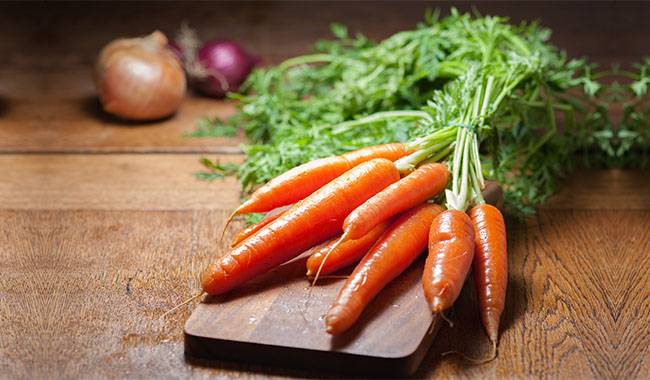
  Carrot Nutrition Facts Pros And Cons   It is not without reason that the famous Renaissance physician and chemist Theophrastus Paracelsus called carrot root Mandragora (genus), making people live longer without diseases. The amazing properties of carrots lie in their carrot nutrition facts, which include various trace elements and a wealth of vitamins, some of which the human body cannot form during the metabolic process. The root of the carrot concentrates substances that help treat many diseases, obtain a strong immune system and rejuvenate the entire body. Read more about the useful properties of carrots, their biochemical composition, and the influence of growing conditions on the value of the root crop in this material. A FEW FACTS ABOUT CARROTS Cultured carrots evolved from the wild carrots that grew in abundance in Asia and Europe. This root vegetable is thought to have originated in Afghanistan. Carrots originated in Afghanistan and possibly northern Iran and Pakist...

When is celery ready to harvest? Planting Tips

Image
  When is celery ready to harvest Planting Tips Garden celery not only tastes better than store-bought, but it is also less chemically taxing. In cooler spring and summer areas, plant celery in early spring. In warmer spring and summer areas, plant celery in late summer to late summer for harvest in late fall or early winter. So when is celery ready to harvest ? This article will explain to you the recommendations for harvesting celery. For us, celery is a garden staple because it is very useful in the kitchen - for stews, stir-fries, soups, and salads. Celery is a cool crop that is half resistant to frost and light icing. Celery has a fairly long growing season and has little tolerance for temperatures that are too high or too low. Most gardeners grow celery purely to address the challenges that come with growing vegetables in the backyard. Depending on the variety, celery is ready to harvest 85 to 120 days after transplanting. Celery is very picky and can be a challenge. The opt...

How I made a narrow garden bed and simplified my life

Image
  How I made a narrow garden bed and simplified my life The most difficult work in the "garden field" is laying out of the site. Breaking it down into beds, and digging it up in the fall. Loosening the soil, planting, tending, and even watering (although this is not an easy task for older people) is less scary for the gardener because these tasks are more time-consuming and can at least get a short break in the warmer months. So, how do you organize your summer cottage with plots to keep it attractive, keep the vegetable garden clean, and reduce caregiving? I suggest making a Narrow Garden Bed. In this material, I will tell you how Narrow Garden Beds save a lot of labor for large estate owners and share the experience of creating them. WHY BIG GARDENS DON'T EQUAL BIG HARVESTS Years of gardening experience have shown that the quantity of quality harvest is not provided by a large area. Plants can be more carefully cared for in smaller areas, which means that bushes and e...

How to storing beets? Tips for life

Image
  How to storing beets? Tips for life Beet is a two-year-old root vegetable, rich in nutrients, versatile, and rich antioxidants. They are easy to store, especially in the refrigerator. Properly stored beets can last for weeks or even months. So how to storing beets ? 1. Pick beets Choose beets with fresh unscented green vegetables. If you want to store beets and keep them fresh, you need to make sure to pick new beets first. The leaves attached to the beetroot are the best indicator of freshness. If the greens on the beet wilt, the beetroot may not be very fresh, so choose another fresh one. If you pick your own beets from the garden, you can wait until the cold season, even after the first frost, but you should pick the beets before the temperature drops to 24°F (-4°C). Put them in a cold place immediately after picking them, instead of leaving them in the sun. 2. Remove imperfect beets Avoid beets with obvious defects. Your beets should have flawless skin. Look for dark maroon,...