Posts

Showing posts with the label Toxins

6 Of The Most Dangerous Garden Pests
Image
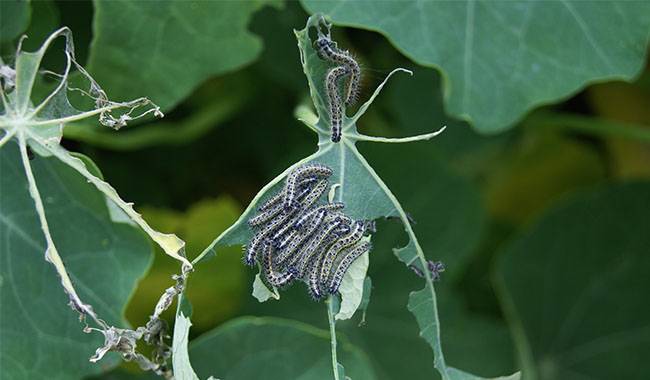
  6 Of The Most Dangerous Garden Pests   In nature, there is always a struggle for space and food. In this struggle, there are no winners. A biological equilibrium is established, where a beneficial fauna suppresses the reproduction rate of pests. And this pest, usually a polyphagous representative of the animal kingdom, can destroy large vegetable , grain, and fruit crops in a single day. On arable land, the real owners of gardens and orchards control this pest by their own methods. Here we present to you six of the most dangerous garden pests and how to deal with them. I. THE SPIDER MITE IS A COSMOPOLITAN AND OMNIVOROUS PEST Among these Acari, the most common and best known is the Spider mite (Tetranychidae). Out of about 50,000 species, more than 1250 species occur worldwide, including Antarctica. Spider mites are tiny spider-like creatures. Males are 0.3-0.6 mm, and females up to 1.0 mm. The body of Spider mite is round and covered with tiny bristles and sometimes tiny wa...

What causes garlic leaves turning yellow

Image
  What causes garlic leaves turning yellow In the agronomy of garlic cultivation, there is a natural yellowing associated with the end of the growing season, which occurs causally when violations of planting rules lead to diseases or deviation from the norms of physical-biological development during the growing season due to damage by pests. To identify the causes of garlic leaves turning yellow , consider the possible causes in this article and provide positive and consistent ways to protect the crop from negative factors that affect garlic yield and quality. CAUSES OF GARLIC LEAVES TURNING YELLOW Garlic is divided into 2 groups - spring garlic and winter garlic. Yellowing of spring leaves is more common in winter garlic. The causes of yellowing can be broken down as follows. 1. Stress factors caused by violation of agronomic cultivation techniques. 2. Infection of plants by fungal and microbial microbiota. 3. Pest infestation. Violation of cultivation rules that cause garlic lea...

How to whitewash tree trunk in Spring

Image
  How to whitewash tree trunk in Spring Our garden is a living organism that also needs to be protected from adverse external influences. All spring work in the garden is done to protect it, and this includes pruning, spraying, feeding, watering, and other activities. The list of protection works also includes the spring painting of the central trunk and skeletal branches of the fruit trees, and this article will describe how to do this for the whitewash tree trunk . Whitewashing protects fruit trees: preventing excessive spring heat and sunburn (not the leaves that have not yet grown) helps to eliminate a significant portion of the pests and diseases that protect the offspring for a successful winter. Keeping the tree's external mulch in a healthy state is an opportunity to prolong its fruiting period, get rid of pesticide treatments, and obtain an ecologically clean harvest. Timely and proper whitewashing will protect plants from rodent damage, bark cracking, and delayed flowerin...

How to growing chervil from seed

Image
  How to growing chervil from seed Chervil is not often found in the gardens of gardeners, and there are many friends who ask: How to growing chervil from seed ? This article provides the answer. But the young leaves of this plant give a spicy anise flavor to meat and fish dishes, chopped herbs are added to various salads and soups, they are added to omelets. Just be aware that the herbs lose their flavor during the heat treatment process, so they are usually placed in ready-made dishes. It is not necessary to dry Chervil in the sun. Because of its high content of ascorbic acid, a whole set of mineral salts and carotenoids, Chervil is used in folk medicine as an herb to support and restore the immune system. CHERVIL DESCRIPTION Although similar in appearance and taste to parsley, this herb belongs to the celery family. It is a small, branching shrub. It resembles the skeletonized greenery of ferns. The leaves are smooth, bright green, curled, or pinnately dissected, with toothed e...

What are the amaranth companion plants

Image
  What are the amaranth companion plants Amaranthus is widely grown as a cereal crop throughout South America and grows well in the UK in summer. The leaves and seeds are edible and the plants are highly decorative and can be planted in flower beds. Most plants do better when planted with other beneficial plants, read on for the benefits of Amaranth companion plants. COMPANION PLANTS FOR AMARANTHUS In its native country, Amaranthus is a perennial, but here in the UK, it only grows as an annual. This gives us a short season between frosts, so its companion plants will also be warm-weather crops. companion plants for Amaranthus include 1. Tomato with Amaranthus Tomatoes with Amaranthus Growing tomatoes in association with Amaranthus will protect your tomatoes from many harmful pests. This is due to the fact that Amaranthus is a host for beneficial predatory beetles. These bugs will destroy or prevent bad bugs from entering your tomatoes. 2. Potatoes with Amaranthus Planting Amaranth...